
History
Discover the inspiring legacy of Llandrindod’s historic treasure – The Ithon Centre, a community-owned chapel reborn as a vibrant hub for all.
Originally opened in 1870 as the Ithon Road Presbyterian Chapel, this Grade II listed building stood for over 150 years as a place of worship, remembrance, and connection.
Today, it begins a new chapter—transformed by local vision and care into a welcoming space for creativity, culture, and community.
1870s: Foundation and First Services
The origins of the Ithon Road Presbyterian Chapel trace back to 1870, when a permanent chapel was established to serve the Calvinistic Methodist community of Llandrindod Wells.
Built on land generously donated by Henry Hurst, a key figure in the town’s early development, it replaced a temporary wooden structure near the Gwalia Buildings.
The chapel officially opened on November 1, 1870, largely thanks to the vision and determination of Howey native John Lewis, a devoted advocate of Calvinistic Methodism. At the time, there was no formal provision for nonconformist worship in the rapidly growing spa town, and Lewis’s efforts helped secure a lasting spiritual home for generations to come.
As Llandrindod blossomed into a fashionable destination, the chapel became a vital centre of faith and fellowship for the local community.
1880s – 1890s: A Growing Congregation
By the late 19th century, the chapel was struggling to accommodate its expanding congregation, especially during the summer months when Welsh-speaking visitors flocked to the town.
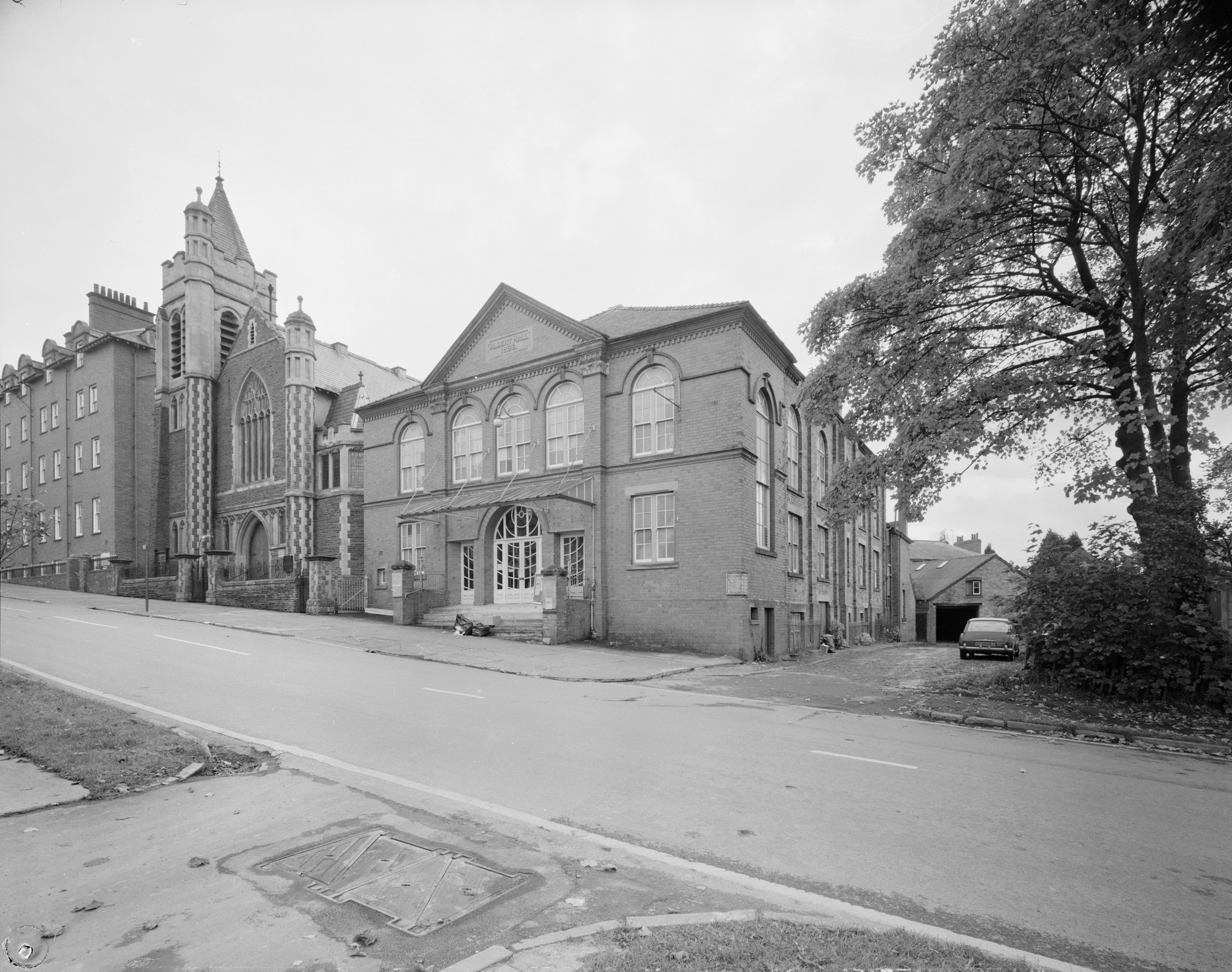
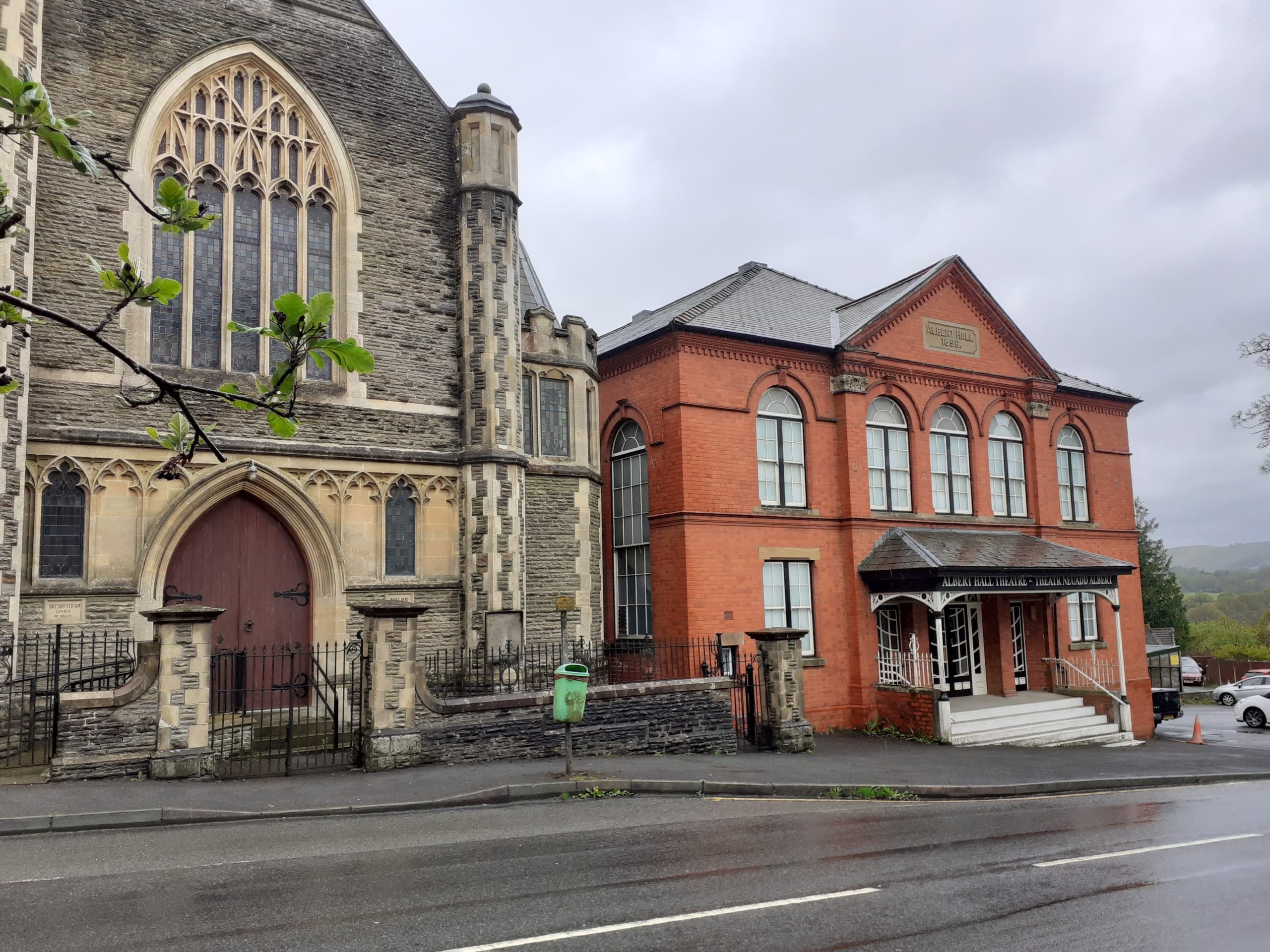
To meet this seasonal demand, The Albert Hall was built next door in 1896, providing a larger venue for Welsh-language services and community gatherings.
1900s: Rebirth in Revival
In 1904, the original chapel was replaced with a new building designed by Cardiff architect William Beddoe Rees. Completed in 1905, the new structure reflected the Arts and Crafts movement, with a gable-entry layout, Gothic interior, and elegant Art Nouveau detailing.
Built during the fervor of the Methodist Revival, the chapel seated 630 people and cost £4,500 to construct – a significant investment in the 1900s!

1910s: War and Remembrance
The First World War left a deep mark on the congregation of Ithon Road.
In 1918, a memorial plaque was installed in memory of William and David Powell, two brothers who died in the war. Their parents, Mr. and Mrs. William James Powell, donated the tribute.
Another plaque listed 93 chapel members who served, including Fred Jamieson, who had emigrated to Canada but returned to fight for his homeland.
1920s–1940s: Community and Commemoration
The interwar years saw the chapel continue as a hub for worship and community life. The Albert Hall was converted to a Theatre and Cinema in 1923, due to the reduction in visitor numbers to the area.
During the Second World War, it again became a place of remembrance. Memorials were added for Flying Officer John Raymond Bufton and Lieutenant Alastair Hair, both of whom lost their lives in service.
The chapel remained a steady presence through times of upheaval.
1950s–1970s: Shifting Times
In the early 1950s, the congregation sold The Albert Hall, which was repurposed as a community theatre.
Although the chapel remained active, membership began to decline, reflecting broader societal changes and a gradual shift away from organized religion. Still, the chapel continued to host services and events, maintaining its role in the town’s cultural fabric.
1980s–2010s: A Quiet Decline
Over the next few decades, the congregation continued to shrink.
From 222 members in 1923, numbers had dwindled to just 27 by 2016.
Despite this, the chapel remained open, supported by a dedicated core of worshippers who kept its spirit alive through weekly services and quiet devotion.
2020s: A Graceful Farewell, but an Exciting Future

By the 2020s, the chapel faced mounting challenges. Attendance continued to fall, and the congregation aged significantly.
The COVID-19 pandemic deepened the divide, as older members were hesitant to return to in-person services, even when gatherings resumed every other Sunday.
By 2023, only 23 members remained – most of them in their 80s.
After 152 years of continuous worship, the chapel held its final service on May 3, 2023, led by Rev Aled Huw Thomas.
While the closure marked the end of an era, it also opened the door to a new beginning. The building is now being transformed into The Ithon Centre, a vibrant community space that honours the chapel’s legacy while embracing a new future for Llandrindod Wells, and The Albert Hall.
The Albert Hall is powered by Passion – Fuelled by Volunteers!